Brokerage & Transportation
We process, broker, and transport. Three roles under one roof, so every load is placed mill-direct against live commodity markets and arrives there on our trucks, not someone else's.
One Partner From Your Dock to the Mill
Most commercial recyclers do one job, processing or hauling. CRI does both, plus the brokerage side, which is where the dollars actually live. We have direct relationships with the paper mills, plastic re-processors, and metal foundries that consume your material, so we can place every load at the destination that pays the most.
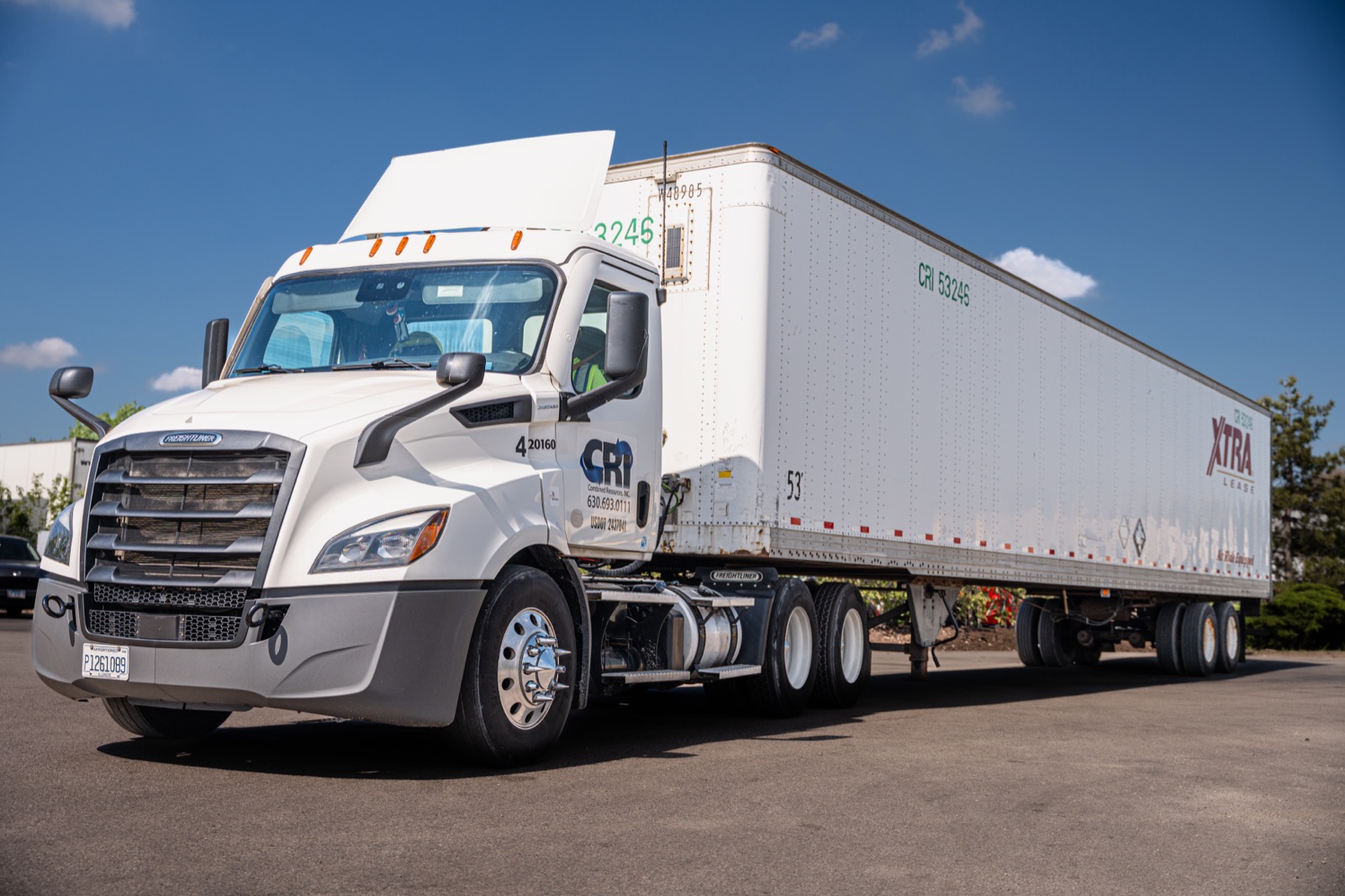
Same applies to transportation. Most pickups run on CRI-owned equipment, our 300+ trailers and in-house drivers. Where our own trucks don't reach, we use a vetted carrier network with the same insurance, tracking, and accountability we expect from ourselves. You always know who's behind the wheel and what's on the bill of lading.
The result: one accountable partner from your dock to the end-buyer, no margin-stacking middlemen, mill-direct pricing on every load, and 45 states of coverage when you have multi-site operations.
What That Looks Like Operationally
Six things CRI does in-house that other recyclers outsource (or don't do at all).
Mill-Direct Placement
Direct relationships with paper mills, plastic re-processors, metal foundries, and end-market buyers nationwide. Your material lands where it earns the most
Live Commodity Pricing
Daily commodity tracking on OCC, paper grades, plastic resins, and ferrous/non-ferrous metals. We time loads to favorable markets when it matters
In-House Trucking
300+ trailers and an in-house transportation operation. Most pickups run on CRI-owned equipment, not third-party haulers fighting for slots
Vetted Carrier Network
Where our own trucks don't reach, we use a vetted carrier network with insurance, tracking, and SLA-backed schedules
Multi-Facility Programs
Customers in 45 states. We coordinate the freight, the consolidation, and the mill placement so multi-site operators get one invoice and one contact
Documented Chain of Custody
Bills of lading, scale tickets, and grade reports on every load. You know what shipped, what it weighed, and where it went
Brokerage & Transportation Across 45 States
CRI brokers and transports recyclables for customers in 45 US states and 4 Canadian provinces from our Addison HQ. The page below is a dedicated local resource for our home market.
Brokerage & Transportation FAQ
Common questions about CRI's brokerage and transportation operations.
What's the difference between a recycler and a broker?+
Does CRI own its trucks or use third-party haulers?+
What's mill-direct shipping and why does it matter?+
How does CRI time the commodity market?+
What documentation do I get for each load?+
Want to know what your waste is worth?
Call us or request a free assessment. No contracts. No obligation.